

01 / SPECIES PROFILE
Species Overview
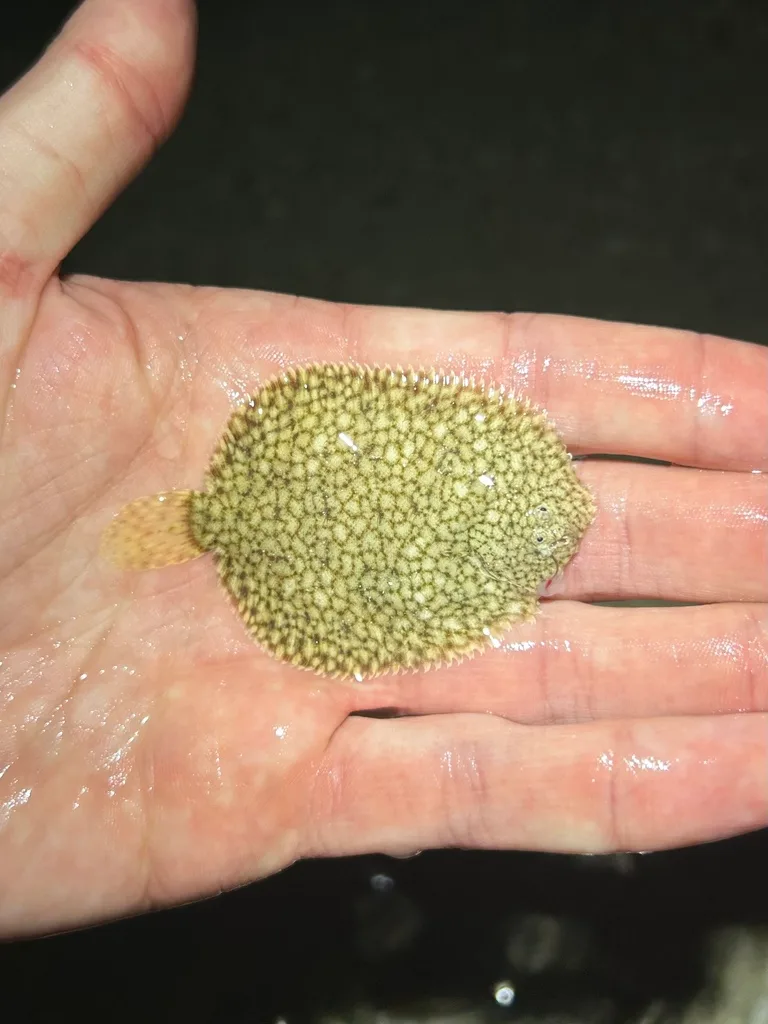
The Scrawled sole has an oval body. The eye side is pale brown with dense, reticulating dark brown lines on the head, body, and vertical fins; the tail fin is light yellow to clear. It lives in sandy-mud or brackish waters at 0-136m
- Family
- Achiridae
- Size
- Common length 10 cm TL; maximum recorded 15 cm TL.
- Depth range
- 0–136 m
- Habitat
- Marine, brackish; demersal.
- Diet
- Hunts animal prey. Recorded prey include bottom invertebrates. (food-item records.)
- Geographic range
- Western Atlantic: southern Florida, USA and the Bahamas to Venezuela; absent from Gulf of Mexico.
- Trophic level
- 3.5
- Vulnerability index
- 23.01
- Human hazard
- Harmless
- Reproductive mode
- Separate sexes; External fertilization; Eggs or young are not guarded; Eggs scattered in open water or on the substrate
- Common name in Spanish
- Acedía reticulada, Arreves pintado, Miracielo, Suela reticulada, Tapaculo
- Common name in French
- Sole réticulée
02 / NATURAL HISTORY
Field notes
Biology and ecology, shown where information is available for this species.
Trophic level about 3.5 (estimate).
Inhabits clear waters of oceanic islands; also in bays and mangrove-lined lagoons along continental coasts, on sandy-muddy bottoms. Feeds on invertebrates. Sexually mature after two years. Females are bigger than males.
The Scrawled Sole (Trinectes inscriptus) is characterized by dense reticulating lines and a yellow or clear tail fin. The Hogchoker (Trinectes maculatus) has thin cross-lines, dark botches, and lacks a pectoral fin. The Smalleye Sole (Trinectes microphthalmus) has a very small eye and a pale-edged tail fin. The Slipper Sole (Trinectes paulistanus) shows 8-11 thin bars and scattered blotches.
LC – Least Concern.
Recorded food groups and items (2)
- zoobenthos
- other benthic invertebrates
Reported countries and territories (11)
- Aruba
- Bahamas
- Colombia
- Cuba
- Curaçao
- French Guiana
- Jamaica
- Puerto Rico
- Trinidad and Tobago
- United States Virgin Islands
- Venezuela
TL means total length; SL excludes the tail fin; FL measures to the tail fork. These measurements are not interchangeable.
CARIBBEAN REEF FISH FOUNDATION
From field knowledge
to reef action.
Explore the Foundation’s current conservation and research work.