
Nearshore Marine Debris · U.S. Virgin Islands
How Marine Debris Threatens the U.S. Virgin Islands' Fringing Reefs
Across the U.S. Virgin Islands, fringing reefs grow close to shore, making them vulnerable to plastics, discarded fishing gear, and other debris carried by wind, runoff, and coastal currents. The Caribbean Reef Fish Foundation (CRFF), based on St. Croix, removes and documents marine debris in nearshore habitats as part of a broader mission to protect native reef fish and coastal ecosystems throughout the USVI.
How Debris Gets There
From streets and shorelines to the sea.
Plastics, gear, ropes and tires
Bottles, bags, packaging, fishing line, nets, rope and tires reach the coast in several ways: carried by rain through drains and runoff channels, blown from roadsides and shorelines, left behind as shoreline waste, or lost from boating and fishing activity.
Where it collects
Wind, waves and tides can push debris into tide pools, mangrove edges, seagrass and the shallow reef flat, where it may stay until someone removes it or it breaks into smaller pieces.
Fringing Reef Impacts
What debris can do to a reef near shore.
Here, marine debris means discarded solid items such as plastics, fishing gear, ropes and tires. In shallow reef habitats, these items can scrape, break, cover or entangle organisms and disturb shelter. Nutrient enrichment, chemical contamination and excess sediment are different reef stressors with different sources and effects. They may occur alongside debris, but removing solid waste does not by itself resolve those water-quality problems.
These are general ecological explanations drawn from marine debris science. They describe what can happen, not a measured outcome at any specific site.
Abrasion
Moving lines, nets and heavy items can scrape or break coral and other attached organisms when waves and surge move them across the reef.
Smothering
Sheets, bags and large items can shade or cover shallow reef surfaces and seagrass, which may reduce the light and water flow organisms depend on.
Entanglement
Line, netting and loops can entangle fish, turtles, birds and invertebrates. NOAA describes entanglement as a documented marine debris impact.
Habitat disturbance
Debris can change the physical structure of shelter, and removing it from tight rock or root areas can itself require care. Effects vary by site, debris type and conditions.
Juvenile Fish Habitat
Young fish need healthy shallow places.
Mangroves, seagrass and shallow reefs can all serve as shelter or feeding areas for juvenile fish. Not every species needs every habitat: some use mangroves and seagrass early in life, others settle directly on reef.
Keeping these areas free of physical hazards is one way to protect the conditions juveniles may rely on.
- Mangroves. Prop roots can offer shelter, and some juvenile fish and invertebrates use them.
- Seagrass. Beds can provide cover and feeding grounds for some young fish and other animals.
- Shallow reef. Reef structure gives shelter and food for many species as they grow.
Documented CRFF Fieldwork
What CRFF actually does.
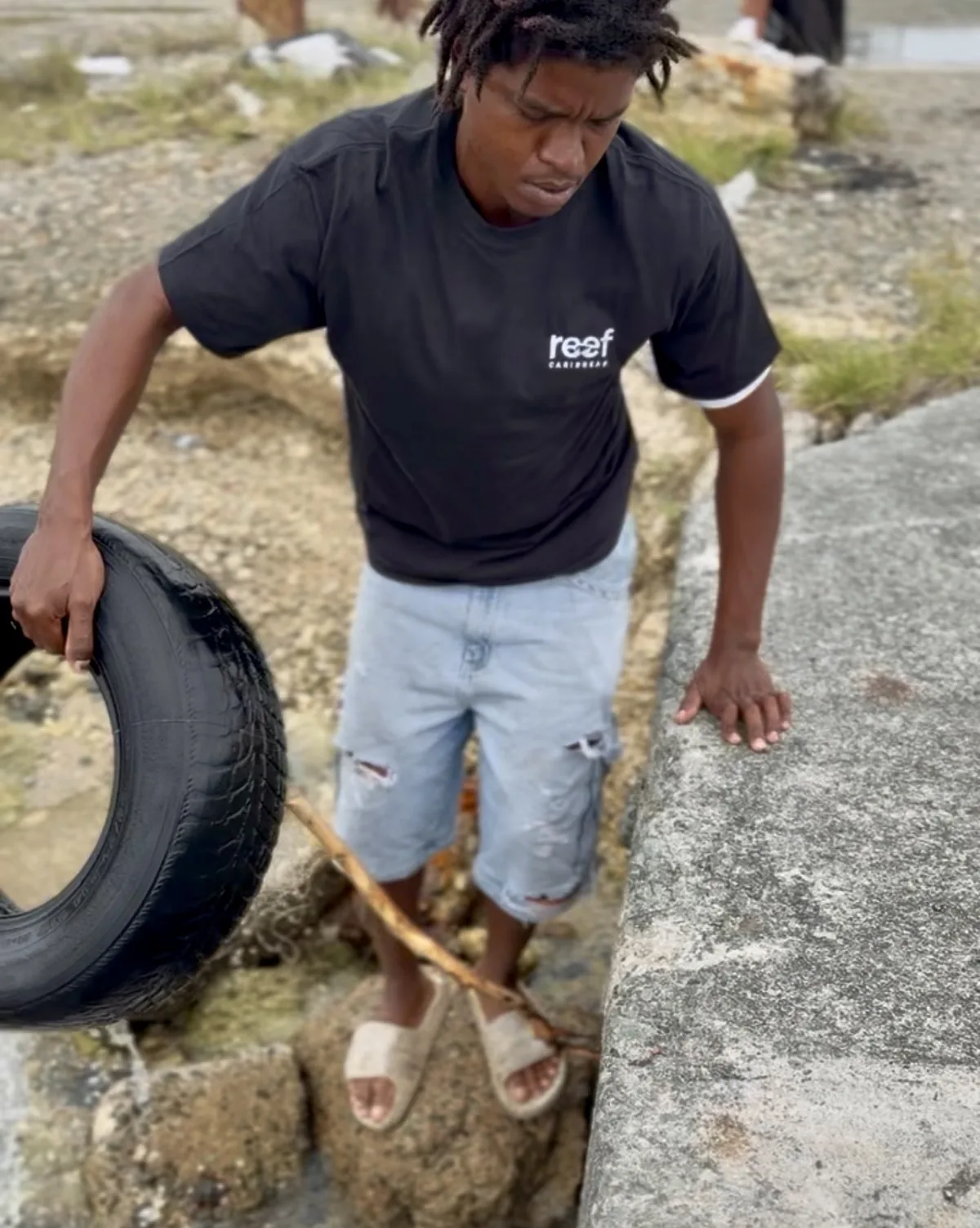
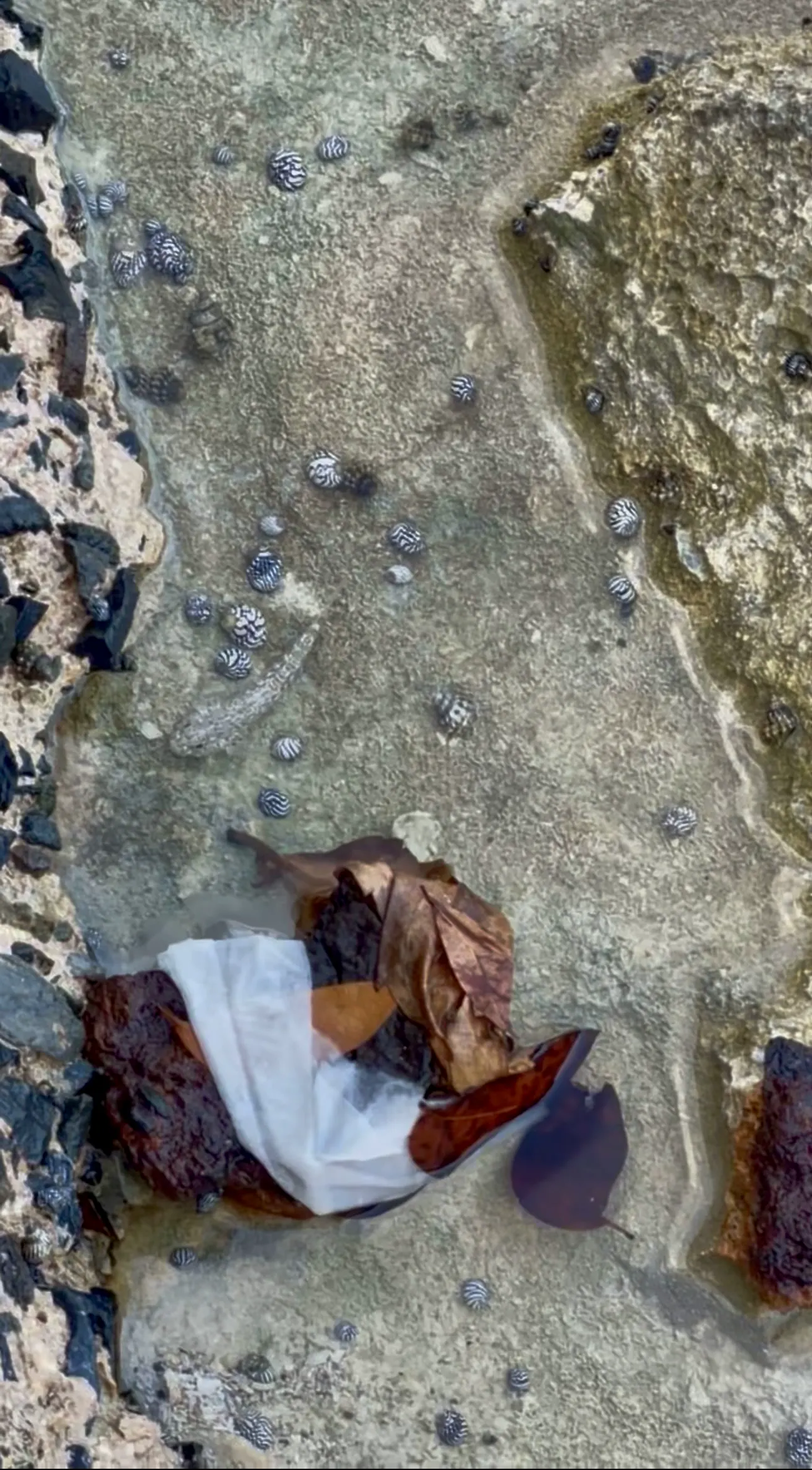
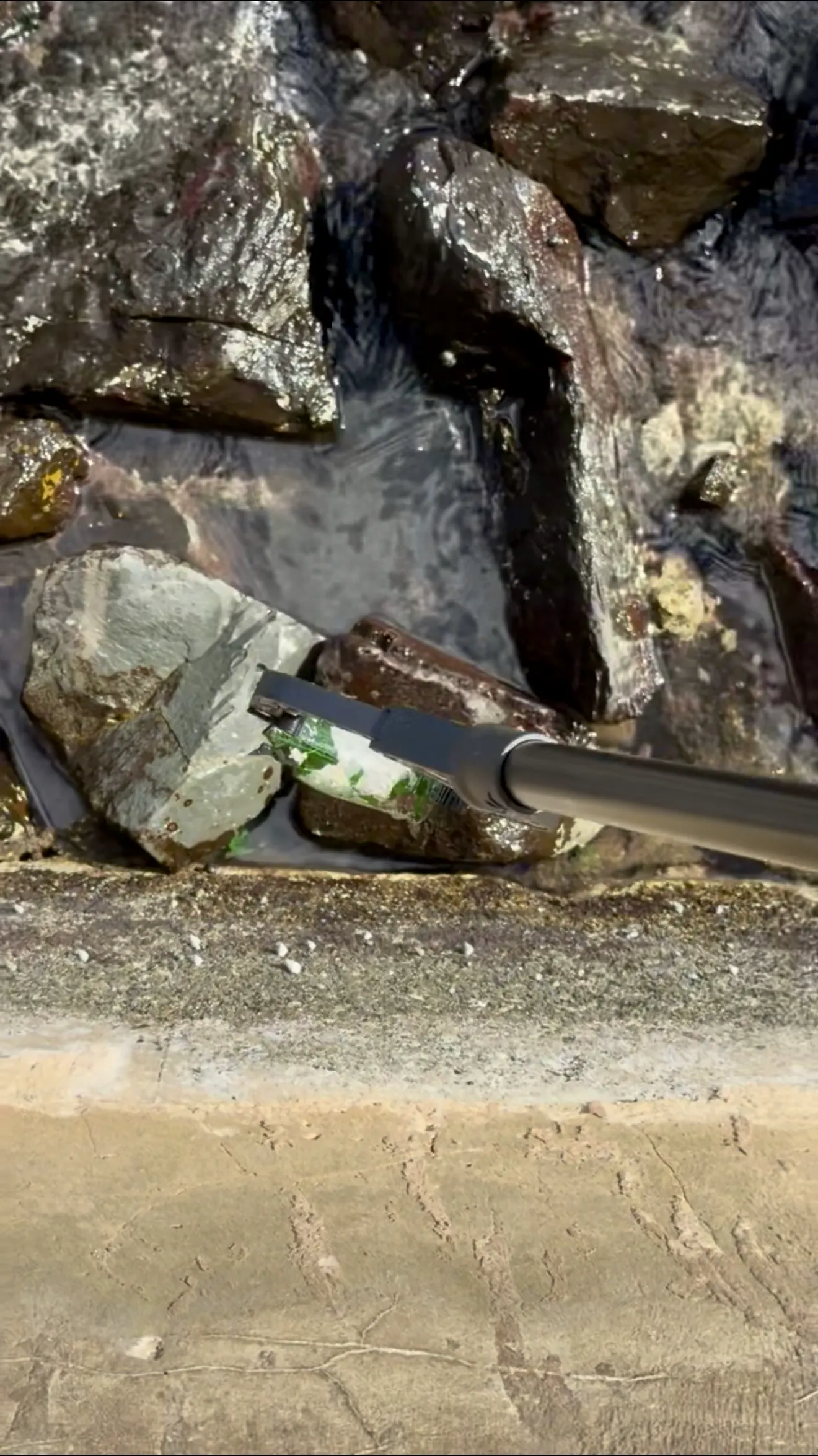
CRFF teams remove debris by hand from St. Croix shorelines, tide pools and nearshore habitat, and record what they find: location, debris type and habitat. That record helps show where waste keeps accumulating.
Field documentation connects debris removal with habitat observations. These records help guide follow-up visits and identify places where prevention and continued cleanup are needed.
See our Plastic & Debris Removal workWhy Prevention Matters
Stopping debris protects native fish.
Removal helps, but waste that never reaches the coast cannot harm it. Better waste handling, controlling litter near drains and shorelines, and responsible disposal of gear all reduce what ends up on the reef.
This is part of CRFF's broader mission to protect native reef fish throughout the U.S. Virgin Islands. Captive propagation and future reintroduction remain in development and would proceed only once all required permits and agency approvals are in place.
Protect the U.S. Virgin Islands
Keep the shoreline clear for the reef beyond it.
Your support helps CRFF with field equipment, cleanup supplies, documentation and continued monitoring of nearshore habitat.
501(c)(3) nonprofit · EIN 66-1131262 · caribreef.org